Main menu
About the PROBA2 Science Center
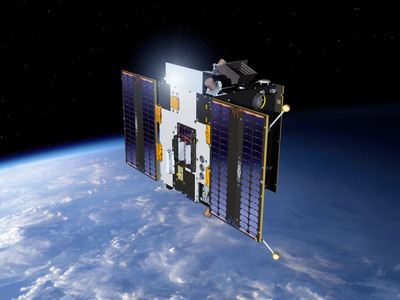
The PROBA2 Science Center, located at the Royal Observatory of Belgium in Brussels, oversees scientific operations and data processing for ESA's PROBA2 spacecraft. The P2SC is the primary archive and distribution center for data from SWAP and LYRA, as well as the primary maintainer of calibration tools, data analysis software, and additional instrument data. The P2SC is also home to the science operations center, where instrument observing plans are devised and, with the help of ESA's Spacecraft Operations Center in Redu, Belgium, loaded onto the spacecraft. Finally, the P2SC serves as the main site for coordination of the PROBA2 Science Working Team, coordinating special scientific campaigns, supporting science data users and guest investigators, and organizing PROBA2 outreach efforts.
PROBA2 is a small ESA satellite with a scientific mission to explore the active Sun and its effect on the near-earth environment and a broader mission to provide a test platform for new instrument and platform technology. The mission overview page provides additional information about PROBA2 and its on board instrumentation and advanced platform technology.
If you require special assistance, you can contact the instrument teams directly using the contact page on this new site.
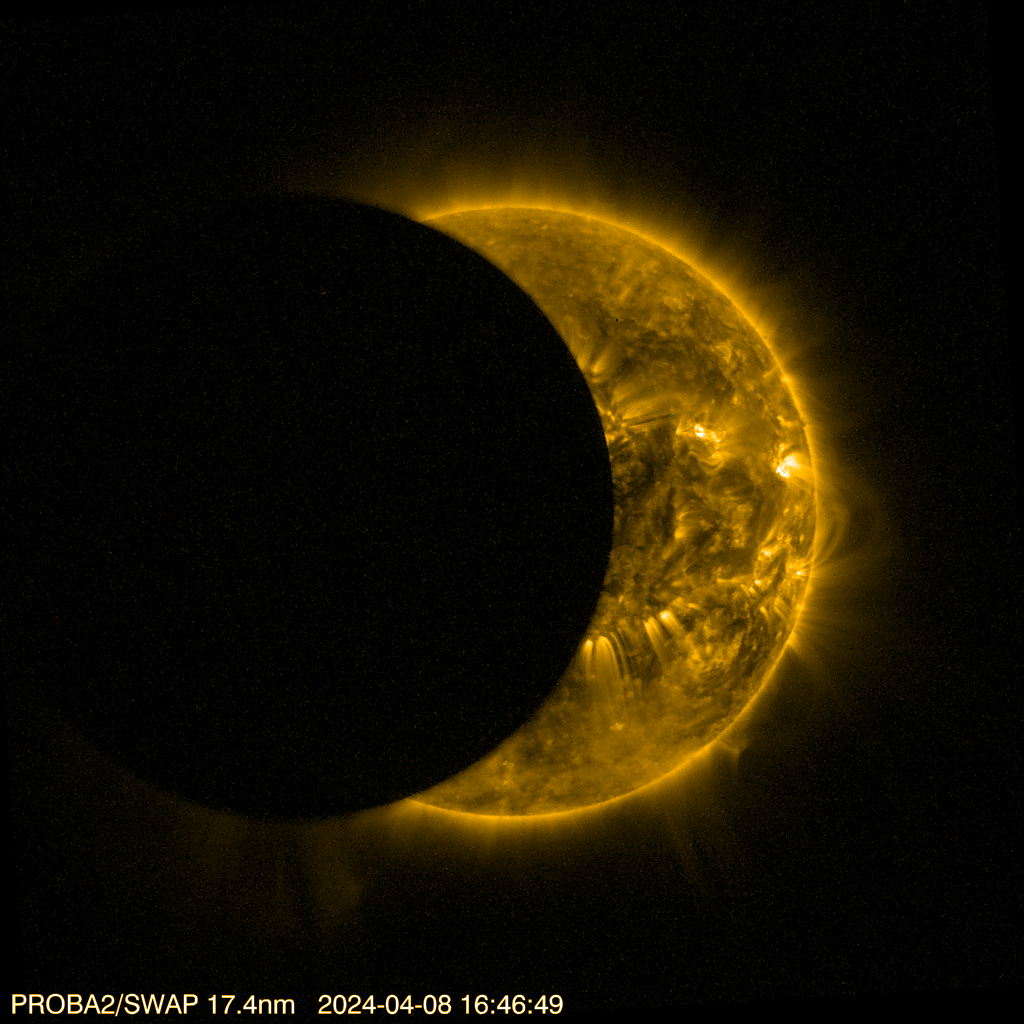 April 8, 2024. A date that has been highlighted in many calendars for months. It is the day of the Great American Eclipse, as it is now called. A total eclipse during which the Moon’s shadow will cover large parts of Mexico, the USA and Canada. In fact, weather permitting, all of Noth America will witness at least a partial eclipse on that day.
 On Saturday, October 14, an annular solar eclipse crossed North, Central, and South America.
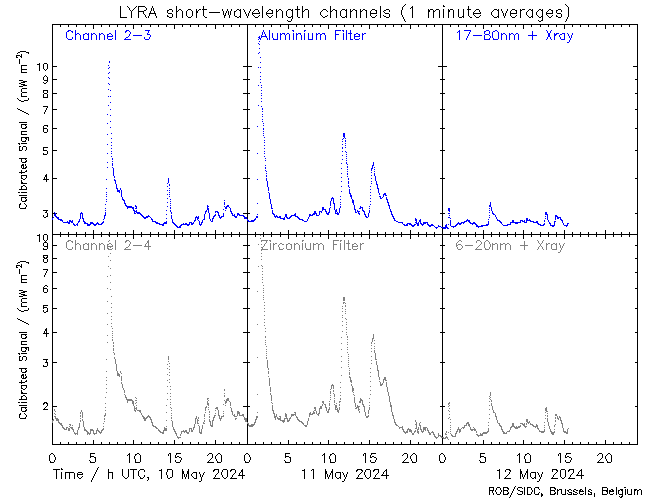
 LYRA Latest
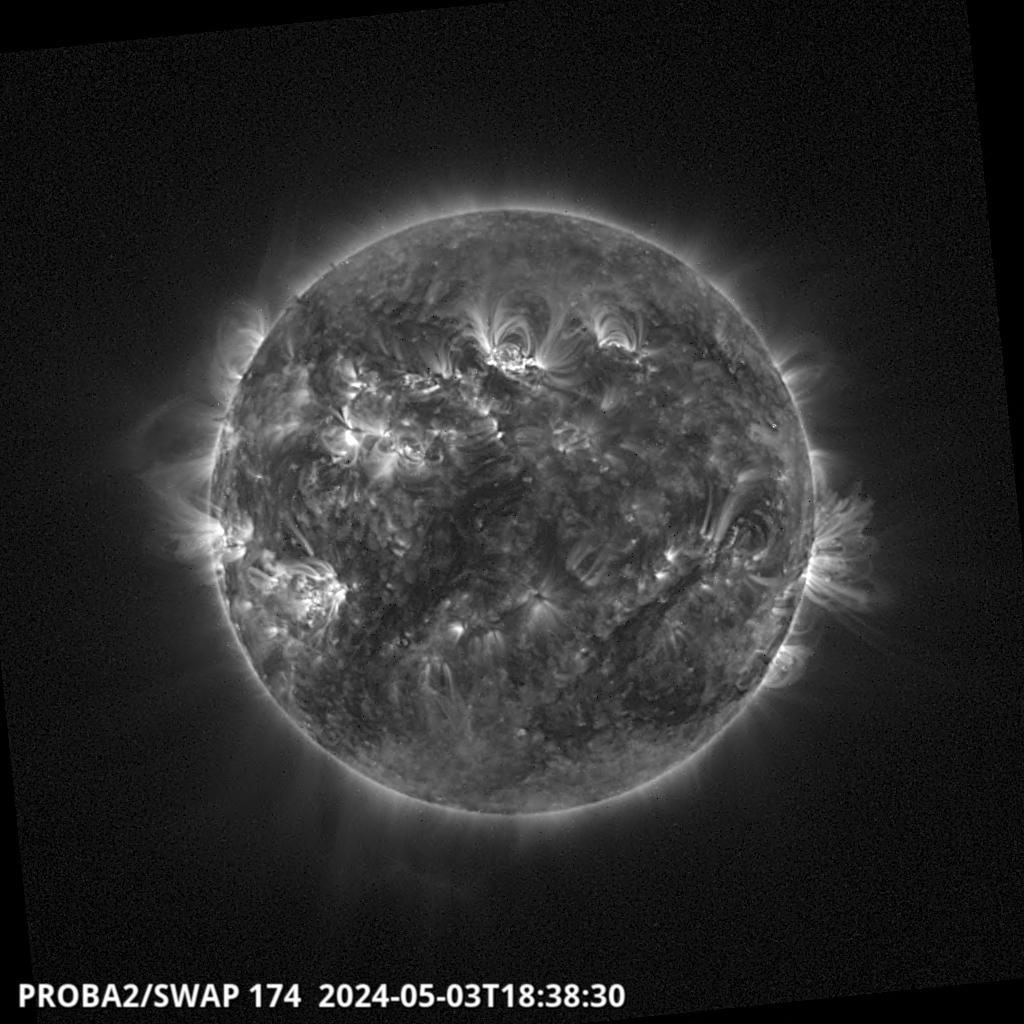
SWAP Latest
Carrington Rotation Movie Latest
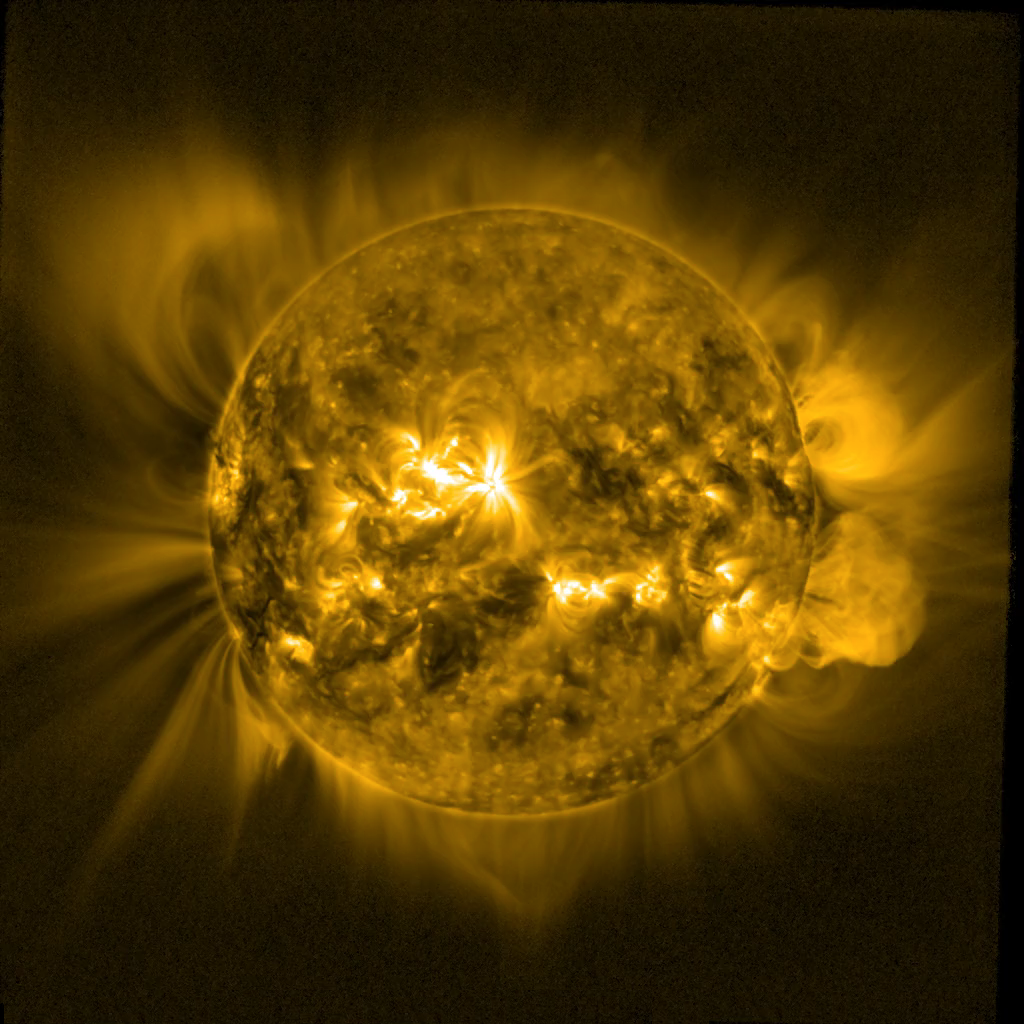
SWAP Synoptic Image

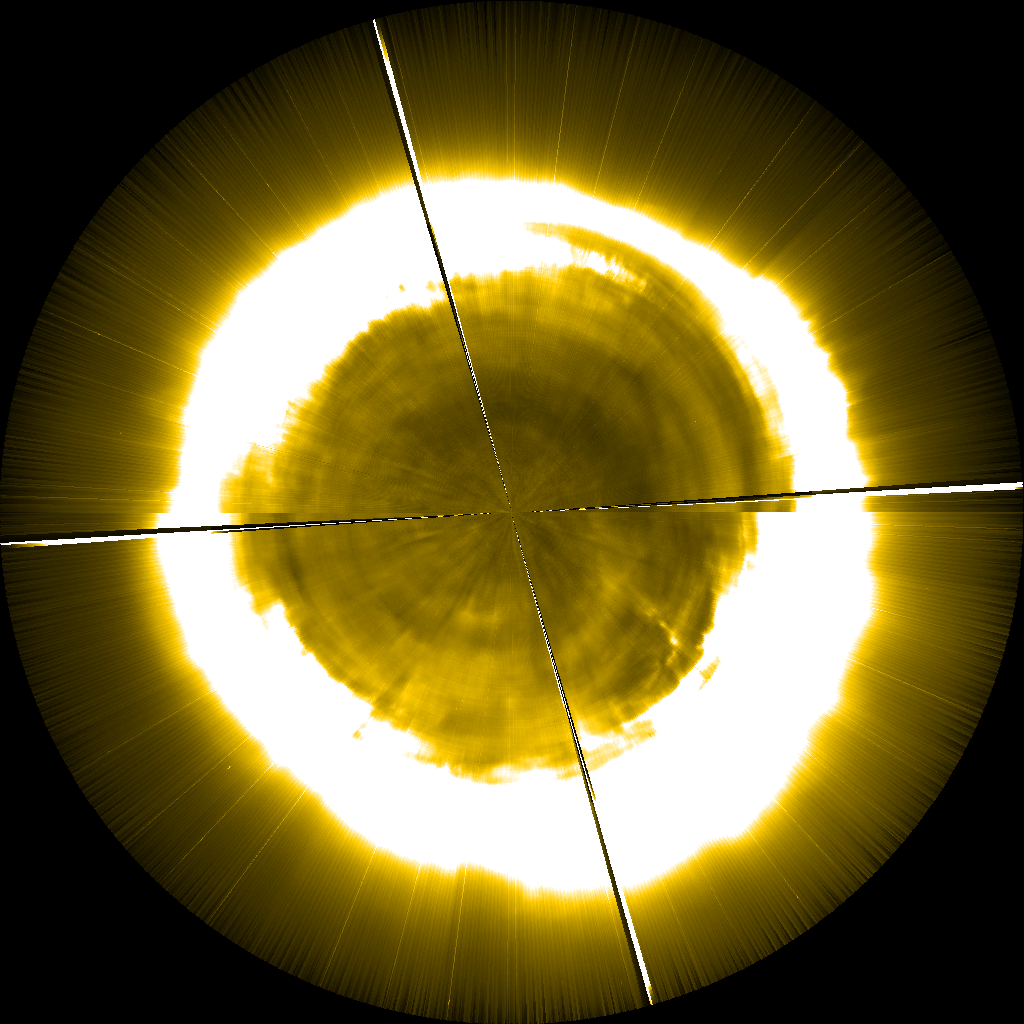
SWAP Polar Image